Expert Rodent Control in Cleveland TN: Protecting Your Home from Unwanted Guests
Why Rodents Are More Than a Nuisance in Cleveland TN
Living in Cleveland TN means enjoying the natural beauty of the foothills and the changing seasons. But that same environment also means sharing the area with mice, rats, squirrels, and even raccoons. A single mouse can squeeze through a hole the size of a dime. Rats can climb brick walls and gnaw through lead pipes. Squirrels treat attics like a luxury condo. And raccoons? They can peel back shingles like they are opening a can of soda. When these animals find their way inside, they do not just cause a mess. They chew wires, tear insulation, leave droppings that carry disease, and create entry points that invite more animals in. That is why professional rodent control in Cleveland TN is not just about removing one animal. It is about understanding the entire cycle of invasion, damage, and prevention.
A lot of homeowners try to handle the problem on their own. They set a few snap traps in the attic, maybe put some poison in the crawl space, and hope the problem goes away. But trapping services are only one piece of the puzzle. Without rodent exclusion and entry point sealing, you are essentially leaving the front door open. The animals that are already inside might die, but new ones will keep coming. And if you use rodenticide without sealing entry points, you risk having a rat die inside a wall, which brings odor, flies, and scavenger pests. The real solution is an integrated approach that combines removal with structural repairs and preventive maintenance.
How Rodents Get Into Your Home
Rodents are surprisingly good at getting into places you would not think possible. A rat can climb a brick wall using tiny ledges. Mice can jump a foot straight up. Squirrels leap from tree limbs onto roofs. And raccoons have nimble paws that can work open loose vents. The most common entry points include gaps around pipe penetrations, torn or missing weather stripping under doors, broken soffit vents, and gaps where the roof line meets the fascia. Many homes in Cleveland TN were built years ago, and over time, settling and weather create cracks and separations that make perfect highways for rodents.
During a professional home inspection, a trained technician looks for signs of rodent activity: grease marks along baseboards, droppings in the attic, gnaw marks on wood or wires, nesting materials in insulation, and tracks in dusty areas. But the inspection also looks for the structural vulnerabilities that allowed entry in the first place. That is where entry point sealing becomes critical. It is not enough to trap the animals that are inside. You have to close off every possible entrance, or you will be doing the same job again next season.
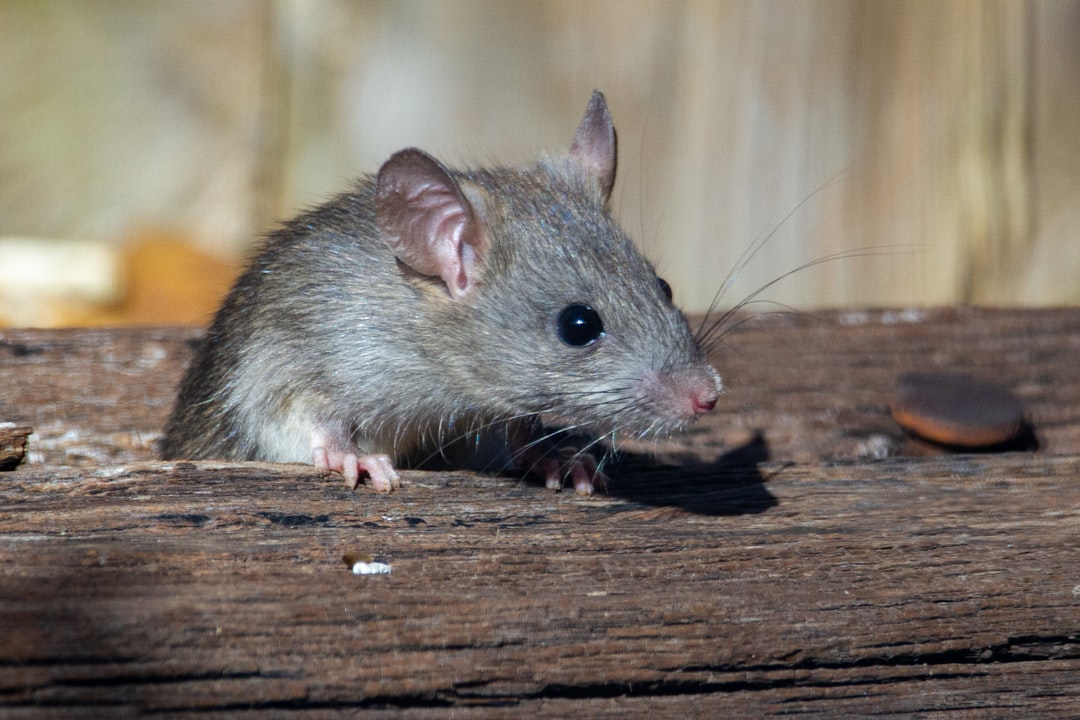
The Rodent Control Process: Trapping, Exclusion, and Repairs
Effective rodent control in Cleveland TN follows a logical sequence. First, you remove the animals that are already inside. Then you seal the entry points. Finally, you take steps to make the area less attractive to rodents in the future. Each step relies on the others for long-term success.
Trapping Services: Choosing the Right Tool
There is no single best trap for every situation. Snap traps are quick and effective for mice and rats in tight spaces like attics and crawl spaces. They kill instantly, which is humane and avoids the problem of an animal dying in the wall. Live traps are useful for larger animals like raccoons or squirrels that you want to relocate, though relocation has its own challenges and should only be done by professionals who follow local regulations. One-way doors are a smart solution for areas where animals are coming and going. The door lets them exit but prevents re-entry. After the animals are out, the technician seals the opening. Trapping services are most effective when combined with an understanding of animal behavior. For example, rats prefer to travel along walls and avoid open spaces. Placing traps perpendicular to walls with the trigger near the wall increases catch rates.
Rodent Exclusion and Entry Point Sealing
Rodent exclusion is the art of making your structure rodent-proof. It requires a combination of materials and techniques. Steel wool is a basic tool for filling small gaps because rodents cannot chew through it. But steel wool rusts over time, so it is often combined with caulking or expanding foam to seal it in place. For larger gaps, you might use hardware cloth or metal flashing. Weather stripping around doors and windows needs to be intact and snug. Gaps around pipes and vents need to be filled with a durable sealant. Structural repairs might involve replacing rotted wood, fixing loose siding, or installing metal guards on roof lines. The goal is to create a barrier that rodents cannot breach. This is not a one-size-fits-all job. Each house has its own quirks, and a good technician knows how to match the material to the problem.
Preventive Maintenance: Keeping Rodents Out for Good
Once the entry points are sealed and the animals are removed, preventive maintenance keeps the problem from coming back. This includes trimming tree branches that overhang the roof, cleaning up piles of wood or debris near the foundation, and sealing garbage cans tightly. It also means inspecting the home regularly for new gaps that may have opened up due to weather or settling. Many homeowners in Cleveland TN schedule annual inspections to catch issues early. A small crack that appears in the spring can become a major rodent highway by fall. With proper preventive maintenance, you can avoid the stress and expense of a full-blown infestation.
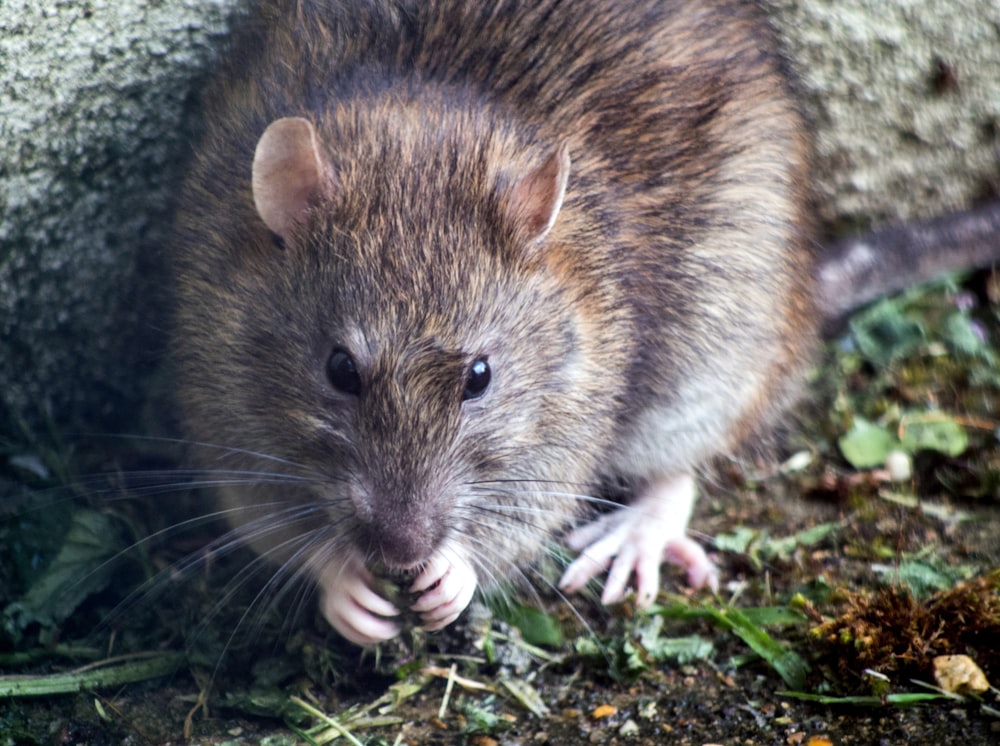
Integrated Pest Management: A Smarter Approach
Integrated Pest Management, or IPM, is a framework that guides professional pest control. Instead of relying solely on pesticides or traps, IPM emphasizes prevention, monitoring, and targeted treatment. For rodent control, this means using a combination of techniques: sealing entry points, setting traps in high-activity areas, monitoring with bait stations or tracking pads, and making habitat changes that discourage rodents. IPM also considers the safety of people, pets, and the environment. For example, rodenticide is used sparingly and only in tamper-resistant stations, because it poses a risk to non-target animals like dogs, cats, and owls. Snap traps and live traps are preferred when possible. The goal is to solve the problem with the least amount of chemical intervention, which is better for everyone.
Choosing a Professional for Rodent Control in Cleveland TN
Not every pest control company approaches rodent problems the same way. Some focus only on trapping, leaving the structural issues for someone else. Others may rely heavily on rodenticide, which can lead to secondary poisoning of pets or wildlife. When you hire a company like Hiwassee Pest Control, you get a comprehensive service that starts with a thorough inspection and ends with lasting repairs. Their team understands the local wildlife and the common construction styles in the area. They know that a house in a newer subdivision might have different vulnerabilities than a historic home downtown. They also know that the solution for a mouse problem is different from the solution for a raccoon problem. A good company will explain what they found, what they plan to do, and how you can help maintain a rodent-free home.
What to Expect During a Rodent Control Visit
If you call a professional for rodent control, here is roughly what happens. The technician arrives and conducts a detailed home inspection. They look inside the attic, crawl space, basement, garage, and around the exterior. They identify active areas of infestation and potential entry points. Then they create a plan. The plan might include setting snap traps in the attic, installing one-way doors on a squirrel entry point, sealing gaps with steel wool and caulking, and repairing a damaged soffit vent. They will explain the timeline and what you need to do on your end, like keeping pets away from traps or not disturbing the sealed areas. Follow-up visits are often scheduled to check traps and make sure no new activity has occurred. Over time, the visits become less frequent as the problem is resolved.
Common Mistakes to Avoid
There are a few things homeowners often get wrong. One is using too much rodenticide without sealing entry points. This can lead to dead rodents inside walls and ongoing re-infestation. Another is setting traps without wearing gloves. Rodents can smell human scent on traps and avoid them. A third is ignoring the exterior. If you only treat inside, rodents will keep finding new ways in. A fourth is using expanding foam alone without a chew-proof barrier. Rodents can gnaw through foam easily. And a fifth is waiting too long. A small problem can become a large one in a matter of weeks. If you see one mouse, there are likely more. If you hear scratching in the attic, do not assume it will stop on its own. Call a professional who understands rodent behavior and knows how to do the job right.
Final Thoughts on Rodent Control in Cleveland TN
Rodent problems are common in Cleveland TN, but they are also solvable. The key is to address both the animals and the conditions that allow them to enter. That means combining trapping services with rodent exclusion, entry point sealing, and structural repairs. It means thinking like a rodent and finding every possible route inside. And it means committing to preventive maintenance so that the problem does not come back. Whether you are dealing with mice in the kitchen, rats in the crawl space, squirrels in the attic, or raccoons on the porch, the same principles apply. Inspect. Remove. Seal. Maintain. That is the cycle that works. And with professional help from a company that knows the area, you can protect your home and your peace of mind.